Would you eat a vegetable that you knew contained poison? It had been bred to kill. Would you serve it in your dinner salad?
Regardless of your answer, the sad truth is, you probably already have. Farmers are now using a poison derived from nicotine, neonicotinoids, to kill pests. But this is not a spray or a powder that is administered topically to the plant. Instead, this is a systemic pesticide that is bred into the plant. The farmers buy this genetically modified seed, because it saves them money on purchasing and applying topical pesticides. The neonicontinoids have a long life span, easily months long, but as we’ve seen with herbicides like Grazon, it could persist in compost for years. The idea behind using this new form of pesticide is that it can’t wash off in the rain, or degrade in the sun. It is there, within the living plant. And when an insect comes along for a snack, they’ll find their food has been poisoned, and they will die.
So I can see why farmers would find this new form of pesticide beneficial. What I don’t understand, is why anyone that wants to eat fresh food would allow it to exist. If this poison kills insects when they eat it, what is it doing to us when we eat it? Apparently, this question never occurred to the EPA, who granted some neonicotinoids conditional approval without extensive research or testing. A group of beekeepers, environmentalists, and consumer groups recently sued the EPA for this decision, saying the association exceeded it’s authority.
But speaking of beekeepers brings me to the second prong of how these embedded pesticides could end up drastically reducing our supply of safe food. It turns out that Colony Collapse Disorder is not even close to being treated or healed. Beekeepers are reporting the greatest bee die offs ever over the course of the last 12 months. Many are blaming the toxic soup of herbicides, pesticides and fungicides that are now our nation’s farms. And neonicotinoids are a major culprit to bee deaths.
The pollen on these GMO plants are full of poison. Bees are bringing this poisonous pollen back to the hive and making toxic honey from it. Over the course of the year, especially in the cold months, bees and bee larva eat this toxic honey and it kills them. They are dying by the billions. Many of the top bee keepers in the country are experiencing hive deaths of over fifty percent. If we kill off all of our bees with our poisonous produce, we won’t have to worry about how much pesticides are in our vegetables because we won’t have any vegetables. Without bees to pollenate our plants, our crops will not be able to fruit.
Everyone wants to talk about the costs of farming and food production these days. Everything from the weather, to the seed, to the pests, to the availability of migrant labor affect the cost of our food. Everywhere we turn, we are being told why the price of our produce is going up. But no one is talking about the real price of growing poisoned food. The price per pound is important, but it pales in comparison to the expenses incurred by not having any produce to sell. Perhaps we should all consider a compromise with the insects. We’ll tolerate some pests if the bees will come back and help us grow healthy, non-toxic food.
For more information on this topic, Google “neonicotinoids” and read this article from the New York Times, http://www.nytimes.com/2013/03/29/science/earth/soaring-bee-deaths-in-2012-sound-alarm-on-malady.html?pagewanted=2&_r=2&hp.
Showing posts with label trees. Show all posts
Showing posts with label trees. Show all posts
Friday, March 29, 2013


Monday, March 18, 2013
Time for Vodquat!
My loquat tree finally has ripe fruit on it. I’ve been waiting for this for a year. We’ve fertilized the tree, given it lots of water, and our sickly tree has grown beautiful over the last 12 months and finally has a good harvest of loquats on it.
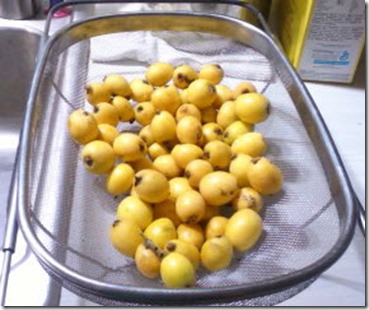
I love loquat fruit. When it’s ripe (golden orange fruit) it has a sweet, tropical flavor. If it is slightly under-ripe (dark yellow) it tastes like a sweet/tart candy. The fruit’s skin is a little fuzzy, like a peach, and it has a pit of one or two seeds. Don’t eat the seeds! They contain cyanide. Swallowing one or two is fine, but don’t go eating a handful. Do, however, save the seeds, because they have a particularly delicious use.
Vodquat.
Vodquat (my name for this loquat-seed liquor) is made by soaking the loquat seeds in vodka or grain alcohol. The strange thing about vodquat is that it doesn’t taste like loquats. It tastes like amaretto. The seeds have an amazing cherry aroma and impart that flavor to items it is cooked/soaked in.
I learned this recipe from Green Deane. He’s a forager in Florida, and I’ve learned a lot from him. (Check out his videos on YouTube!) Here’s Deane’s recipe for Loquat Grappa (his name for vodquat):
Soak one to two quarts of clean, whole Loquat seeds in a tight jar with a quart of vodka for one to six months. At the end of soaking time, drain the now flavored vodka and split it evenly between two fifth bottles. On the stove create sugar water by mixing equal parts of sugar and water. Heat until the sugar is dissolved. Top off each fifth with the sugar water. If you want it less sweet use less sugar, or more vodka.
I recommend waiting a month or two after finishing the vodquat with the sugar water before tasting. This will give it time to meld all the flavors together. And its true, the longer you soak the seeds, the more flavor your vodquat will have.

On a final note, vodquat makes a great gift. My family looks forward to getting a small bottle of home-made amaretto every year at Christmas. It’s a great cold weather treat, and it tastes all the better for having made it yourself. If you don’t have loquat trees on your property, keep an eye out for them while you are driving around town.
.jpg&ei=NitHUcSSLYPi8gS5nYDoCg&bvm=bv.43828540,d.dmg&psig=AFQjCNHyOJe-FOvxH5AeQ_PC9PR98RGC5Q&ust=1363704934692074 "Loquat Tree")
If you live in Florida, you are likely to drive by a tree or two no matter where you are going in the state. I have asked my friends to collect loquat for me from their trees and neighbors. Most people with loquat trees have more fruit than they know what to do with. So ask around, and I am sure you will be able to acquire enough loquat seeds to make plenty of vodquat for holiday gift-giving.
Subscribe to:
Posts (Atom)